Published August 5, 2026
When deciding whether to pawn or sell items at a pawn shop,1 understanding how value is determined is the first step to making a smart choice. Pawn shops like USA Pawn & Jewelry assess items based on current market demand, overall condition, and their potential resale value. These factors help determine whether an item qualifies for a pawn loan or is better suited for an outright sale.
It’s also important to set realistic expectations. Pawn shops are businesses, which means offers are based on resale potential rather than full retail value. Taking a few minutes to research your item’s worth ahead of time can help you feel more confident, recognize a fair offer, and choose the option that best fits your financial needs.
This article breaks down the key differences between pawning vs. selling, explains which items typically perform best, and shares practical tips to help you get the most value when visiting a local pawn shop for quick cash.
Key Takeaways
- Pawning lets you borrow against your item and reclaim it later, while selling provides immediate cash with no repayment required.
- Item condition, demand, and resale value play a major role in how much you may receive, whether pawning or selling.
- Preparing and researching your items in advance can help you make a more informed decision and maximize your return at the pawn shop.
How Pawn Shops Evaluate Items in 2026
In 2026, pawn shops use a mix of traditional and modern evaluation methods. The factors include:
- Market demand: High-demand items get better loan or sale offers.
- Condition: Pristine, fully functional items with original packaging score higher.
- Resale value: Items that retain substantial resale value, such as gold or branded electronics, are preferred.
- Age and rarity: Limited-edition or rare items may fetch higher amounts.
Tip: Always check your item’s current market value before visiting a pawn shop. This research gives you a stronger negotiating position and helps determine whether to pawn or sell.
The Benefits of Pawning Items at USA Pawn & Jewelry
Pawning is essentially a collateral-backed loan. You borrow money against the value of your item, with the ability to reclaim it after repayment. Let’s have a look at the benefits of pawn shops:
Benefits of pawning:
- Access to quick cash without permanently losing your item.
- Retain ownership of sentimental or valuable items.
- Flexible short-term pawn loans (typically 30 - 60 days).
- Loan extensions may be available depending on state regulations.
What to consider before pawning:
- Interest rates and repayment schedules.
- Item evaluation and maximum loan limits.
- State-specific rules for pawn extensions.
Example: Pawning a gold watch could provide immediate cash for unexpected expenses while allowing you to get the watch back after repaying the loan.
How Pawn Loans Work in 2026
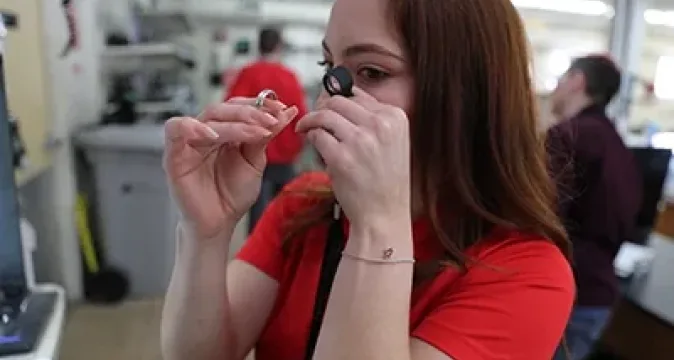
Generally, to get a pawn loan, you must perform the following steps:
- 1. Item evaluation: Your item is evaluated by trained pawnbrokers.
- 2. Loan offer: A loan amount is offered based on evaluation and market value.
- 3. Loan agreement: Terms, interest rate, and repayment schedule are outlined.
- 4. Redemption: Pay off the loan, plus interest, to reclaim your item.
Note: If you fail to repay, the pawn shop retains the item. Extensions may be available in select states like Florida and Texas.2
The Benefits of Selling to a Pawn Shop
Selling items to a pawn shop is a simpler option for those who no longer wish to reclaim their item. Once sold, the item belongs to the pawn shop, and you walk away with immediate cash.
Selling benefits:
- Immediate cash without repayment obligations.
- No interest rates or loan terms to worry about.
- Ideal for items with high resale value and good condition.
Items that sell well include gold, high-end watches, name-brand tools, and newer electronics. These categories consistently perform well due to steady demand and their ability to hold substantial resale value. Looking for a pawn storeto sell your in-demand items? USA Pawn & Jewelry locations can provide a same-day evaluation.
Examples of items that sell well:
Item Type | Reason to Sell |
Gold jewelry | Retains substantial resale value |
High-end watches | Popular demand and collectible brands |
Name-brand tools | Quick resale in local markets |
Newer electronics | High-demand gadgets with good condition |
Tip: Even when selling, presenting your item in clean, working conditions and including original accessories, boxes, or receipts can help increase your offer.
Pawning vs. Selling: How to Decide
Choosing between pawning and selling comes down to your personal situation, the type of item you have, and whether you plan to reclaim it later. Understanding a few key factors can help you decide which option makes the most sense.
Key Factors to Consider
- Sentimental value: If the item has personal or emotional importance, pawning may be a better option, as it allows you to reclaim it after repaying the loan.
- Urgent cash needs: Selling can be a faster solution if you need immediate cash and do not want ongoing obligations.
- Market demand: Items with strong resale demand may receive competitive offers, whether you pawn or sell, depending on condition and timing.
- Loan terms: When pawning, review interest rates, repayment timelines, and extension availability before committing.
It’s also important to consider item type. The best items to pawn are those with high monetary value and are in demand, such as jewelry, firearms3, current electronics, and branded instruments. Pawning an item like those listed above is more likely to result in a higher loan amount than pawning lower-demand or outdated items.
Real World Scenarios
- A rare coin collection: Pawning may be a better option if you intend to keep it long-term or pass it down.
- An older tablet or unused device: Selling may make more sense if the item has no sentimental value and you do not plan to reclaim it.
Tip: Before visiting a pawn shop, make a list of your items, research their current market value, and weigh whether pawning or selling better aligns with your short- and long-term needs.
Items That Typically Pawn Best
Items with high monetary value and strong resale demand are ideal for pawning:
- Jewelry (gold, silver, platinum)
- Firearms (subject to legal regulations)
- Electronics (laptops, tablets, smartphones)
- Branded musical instruments and tools
Tip: Clean, functional items with original accessories maximize your loan amount.
Items That Typically Sell Best
Items that generally don’t need to be reclaimed and still hold good value:
- Electronics without sentimental value
- Fashionable or popular items in pristine condition
- Collectibles that appeal to local buyers
How to Maximize Your Return at a Pawn Shop
Getting the most value from your items starts with preparation. Whether you plan to pawn or sell, presenting your items can make a noticeable difference in the offer you receive.
Prepare Your Items Before Visiting
Before heading to a pawn shop, take a few simple steps to improve your item’s appeal:
- Clean your items so they look well-maintained
- Confirm everything works properly, especially electronics
- Include all original components, such as cables, chargers, controllers, or cases
- Bring original boxes or receipts when available, as these may help increase value
Items that are complete and in good working condition are easier to evaluate and often receive stronger offers.
Know What to Expect When Pawning vs. Selling
- When pawning:
Be prepared to review loan terms, including interest rates and repayment timelines. While some discussion may be possible, many loan offers are based on firm valuations and current market demand. - When selling:
Research your item’s market value in advance so you can recognize a fair offer and negotiate confidently when appropriate.
Before making a visit, it can also help to search for ‘pawn shops near me’ to find one in your area. Whether you are pawning or selling, taking a prepared and informed approach can help you feel confident throughout the process. Visit USA Pawn & Jewelry today to get started.
Quick Comparison: Pawning vs Selling
Feature | Pawning | Selling |
Ownership | Temporary loss, reclaimable | Permanent |
Cash Access | Immediate loan | Immediate payment |
Interest / Fees | Loan interest applies | No interest |
Best For | Valuable, sentimental items | Items no longer needed |
Risk | Lose item if not repaid | None |
Conclusion
Whether to pawn or sell your items at a pawn shop depends on your financial needs, sentimental attachment, and the item’s market value. Pawning provides short-term loans without losing ownership of your item, while selling offers immediate cash without obligations.
By preparing items properly, researching market value, and understanding pawn shop terms, you can maximize your return in 2026. At USA Pawn & Jewelry, trained pawnbrokers provide fair evaluations to help you make the best choice for your valuables.
People Also Ask (FAQs)
Q1: Can I pawn an item more than once?
A1: Yes, as long as you repay the initial loan and the item retains value. Terms may vary by state.
Q2: How much can I get for my items at a pawn shop?
A2: Loan or sale amounts are based on market value, item condition, and demand. Gold and branded electronics often get the highest offers.
Q3: Are pawn loans safe?
A3: Yes, pawn loans are secured by your item. Ensure you understand interest rates and repayment schedules.
1Item evaluation and amount of cash offered on purchases or pawn transactions is at the sole discretion of the Pawnbroker. Conditions apply. Pawn transactions are a loan based on the value of an item and is subject to terms and conditions, including fees, which may vary by state. Please see a Team Member for additional information. Items pictured are examples only.
2Not all services are available in all areas. Pawn extensions are not offered in Arizona, Oregon, Pennsylvania, or Wisconsin.
3Federal law requires a background check be conducted and passed for customers to purchase and redeem firearms. All items are pre-owned; trademarks are owned by their respective brand owners. No brand owner endorses or has any association and/or affiliation with USA Pawn and Jewelry.