Published January 23, 2026
Are you curious about what happens if you don’t repay a pawn loan? The good news is, there are no severe penalties at pawn shops! If you’re thinking about pawning an item for quick cash, it’s important to know how pawn loans work and what to expect.
The average pawnshop loan is approximately $175, with repayment typically expected within 30 days.
Understanding Pawn Loans
Definition of a Pawn Loan
A pawn loan is a type of secured, non-recourse loan that allows individuals to borrow money using their valuable items as collateral. Pawn loans are typically offered by pawn shops, which assess the item's value and provide a loan based on a percentage of its resale value. The borrower can then repay the loan, interest, and fees to retrieve their item. Pawn loans are often used by individuals who need quick access to cash and may not have access to traditional credit options.
How Pawn Loans Work at Pawn Shops
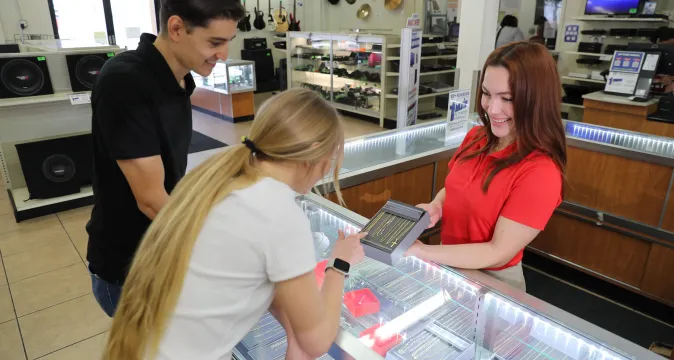
Pawn loans are a simple and fast way to get cash using your personal items as collateral. To understand how pawnshop loans work, you bring a valuable item, like jewelry or electronics, to a pawn shop like USA Pawn & Jewelry.
- The pawnbroker will offer you a loan based on a percentage of the item’s value.
- You receive cash on the spot, and the pawn shop keeps your item until you repay the loan with any interest and fees.

All items are pre-owned; trademarks are owned by their respective brand owners. No brand owner endorses or has any association and/or affiliation with USA Pawn and Jewelry.
The Easy Pawn Loan Process
This process is straightforward and convenient, making pawnshop loans a popular choice for people needing quick cash without the hassle of credit checks or long approval times.
When you repay the loan, you get your item back. If you choose to not repay, the pawn shop will sell your item to recover the money it lent you.
No Credit Checks Needed at Pawn Shops
Unlike bank loans, local pawn shop loans don’t require a credit check, making them accessible to individuals with poor or no credit history because the loan is secured by your item. This means your credit score won’t be affected whether you repay the loan or not.
Smaller Loans, Shorter Terms – Pawn Shops
A pawn shop loan is usually for smaller amounts and has shorter repayment periods than traditional bank loans. Pawn shop loans are ideal for those who might not qualify for traditional loans or need money quickly without a long-term commitment.
How Your Item Is Valued at a Pawn Shop
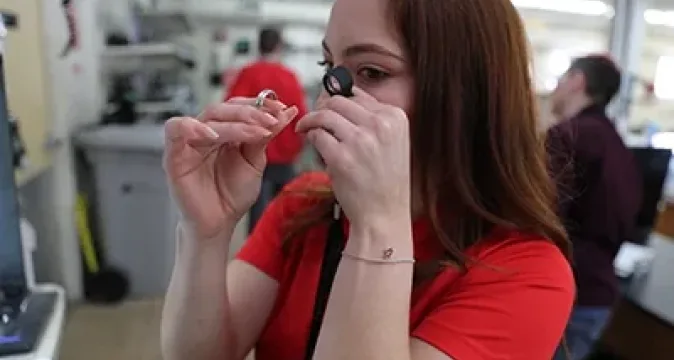
When you take an item to a pawn shop, the pawnbroker will determine its value. They might use tools, databases, and even experts to evaluate jewelry, watches, antiques, or collectibles. The loan amount offered is based on the item’s resale value if you don’t repay the loan.
Requirements for a Pawn Loan
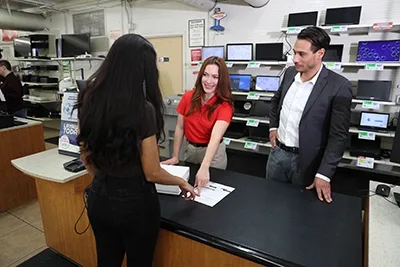
Getting a pawnshop loan requires fewer qualifications than traditional loans. You need to be at least 18 years old and have a valid government-issued ID. The value and condition of the item you’re pawning will determine your loan offer.
Loan Terms and Interest Rates
Pawn loans typically have short loan terms and interest rates that vary by state. The interest rates on pawn loans are often presented as fees, which can make the cost of borrowing higher than other loan options. It’s essential to compare offers from multiple pawn shops to find the best deal and understand the terms and conditions of the loan agreement.
What Happens If You Don't Repay Your Pawn Loan?
If you choose to not repay your pawn loan, you simply forfeit the item you pawned, and your credit score won’t be affected. There are no additional penalties, such as damage to your credit score or legal action. The pawn shop will then sell the item to recover the money lent.
Many pawn shops offer extensions or renewals on loans, subject to state laws and additional fees, giving you more time to repay. However, if you’re sure you don’t want the item back, not repaying and forfeiting the item might be the best option.
Extension Possibilities
If a borrower is unable to repay their pawn loan within the initial loan period, they may be able to extend or renew the loan. This typically involves paying the accrued interest and fees, and the pawn shop may offer an additional 30-day loan period. However, it’s crucial to note that extending a pawn loan can lead to additional fees and interest, making it more challenging to repay the loan. Borrowers should carefully consider their options and prioritize paying the interest to avoid additional fees and penalties.
Tips for Successful Loan Repayment
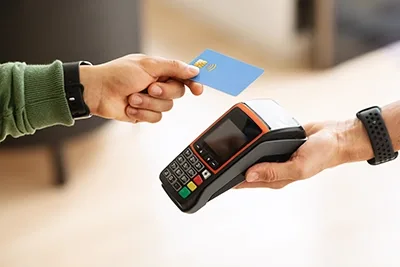
To successfully repay a pawn loan, borrowers should:
- Read the terms: Carefully read and understand the terms of the loan agreement, including the interest rates, fees, and loan period.
- Communicate Regularly: If you are unable to repay the loan on time, contact the pawn shop to discuss extension options or alternative solutions.
- Explore extensions: If needed, explore extension options by paying the accrued interest and fees.
- Plan ahead: Before pawning an item, ensure you have a clear plan for repaying the loan and avoiding additional fees.
By following these tips, borrowers can successfully repay their pawn loans and retrieve their valuable items.
Making Informed Decisions About Pawn Loans
Understanding how pawn loans work can help you make informed decisions and avoid any surprises.
Understanding the repayment terms and your obligations can help you use pawn loans as a valuable financial tool. If you find yourself unable to pay back the loan, the best approach is to communicate openly with the pawnbroker. Many offer extensions or will hold your item for an agreed upon number of days before lapsing the loan. If the pawn loan lapses, the pawnbroker has the legal right to sell your collateral item to recoup their losses. To avoid this outcome, make your payments on time or be proactive about communicating with the pawnbroker.
By understanding the repayment terms and your obligations, you can use pawn loans as a valuable financial tool without running into legal troubles down the road. So, if you’re considering pawning an item for fast cash, visit USA Pawn & Jewelry today to get started!
Find A USA Pawn & Jewelry Pawn Shop
Visit our website for more information about pawning, buying, and selling or to find a USA Pawn & Jewelry store location near you.
[1] Item evaluation and amount of cash offered on purchases or pawn transactions is at the sole discretion of the Pawnbroker. Conditions apply. Pawn transactions are a loan subject to terms and conditions, including fees. Please see a Team Member for additional information.
[2] You may be eligible to extend the due date of your loan by paying outstanding pawn service charges. Pawn extensions are not offered in Arizona, Oregon, Pennsylvania, or Wisconsin. Extensions by day are only offered in select states, including Florida and Texas. See a store Team Member for more details.