Published January 13, 2026
When it comes to understanding the true worth of your jewelry, the terms “appraisal” and “evaluation” are often used interchangeably, but they carry distinct meanings and purposes.
Insurance appraisals are crucial for determining the replacement value of jewelry for insurance coverage. They help ensure adequate compensation in cases of theft, loss, or damage, and it is necessary to use a certified professional appraiser to comply with regulations and accurately assess the retail replacement cost. Pawn evaluations determine the worth of an item should it be sold.
Knowing the difference between these two processes can help you make informed decisions whether you’re looking to sell, insure, or simply understand the value of your precious jewelry items. We’ll delve into the specifics of jewelry appraisals and evaluations, highlighting the key differences, the contexts in which each is used, and why it’s crucial to choose the right one for your needs. crucial to choose the right one for your needs.
By the end, you’ll know when to seek each type of assessment to accurately determine the value of your precious items before selling or pawning them.
What is a Jewelry Appraisal?
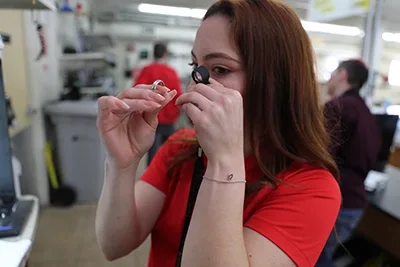
A jewelry appraisal is a professional assessment conducted by a certified and qualified appraiser to determine the value of a jewelry piece. This process involves a meticulous examination of various aspects of the jewelry, including the type and quality of gemstones, metal content, craftsmanship, design, and overall condition. The appraiser evaluates these factors to provide an accurate and unbiased estimate of the jewelry’s value in the current market. Whether you need an appraisal for insurance purposes, estate planning, or selling, a qualified appraiser ensures that you have a reliable valuation of your precious items. Pawn shops such as USA Pawn & Jewelry, do not provide appraisals.
Jewelry Appraisals: Protecting Your Treasures
Understanding the difference between an appraisal and an evaluation is crucial. Appraisals provide a replacement value for insurance, often higher than what you’d get in a sale, as it doesn’t consider market trends or resale value.
Getting a jewelry appraisal is essential for anyone who wants to insure their precious pieces. Having your jewelry appraised before insuring it ensures that you have an accurate value in the event of loss or damage. This detailed process doesn’t just give a price—it determines the value of your jewelry for insurance purposes, covering loss or damage. Appraisers look at the materials, craftsmanship, and any historical significance to ensure your jewelry’s value is fully protected.
Appraisals are also important for things like estate planning, divorce settlements, and donations, giving a clear value for tax and legal purposes. This process helps protect your assets and manage them wisely.
Jewelry Evaluations: Knowing Market Value
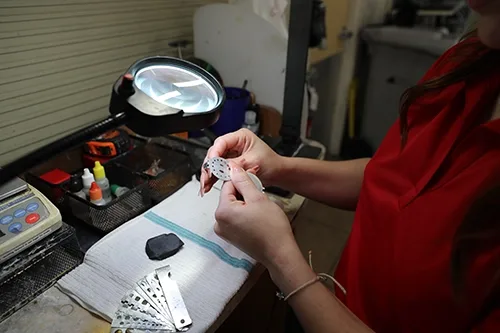
Evaluations, however, are based on the current market and demand, showing the real resale value. This amount is usually lower than the appraised value but reflects what buyers are willing to pay. USA Pawn & Jewelry, like other pawn shops, offers jewelry evaluations.
Knowing which type of assessment you need can save you time and help you understand the value of your jewelry.
Key Factors Influencing Jewelry Value
Several key factors influence the value of jewelry, making each piece unique in its worth:
- Type and Quality of Gemstones: The type, quality, and characteristics of gemstones, such as diamonds, rubies, and sapphires, play a significant role in determining a jewelry piece’s value. For instance, a diamond ring with a higher carat weight and exceptional clarity will be valued higher.
- Metal Content and Characteristics: The type and purity of the metal used, whether gold, silver, or platinum, can greatly affect the jewelry’s value. Higher purity metals are generally more valuable.
- Craftsmanship and Design: The skill and expertise involved in creating the jewelry, along with its design and aesthetic appeal, add to its value. Intricate designs and high-quality craftsmanship are highly prized.
- Condition: The overall condition of the jewelry, including any signs of wear or damage, impacts its value. Well-maintained pieces are typically valued higher.
- Market Demand: The demand for certain types of jewelry or gemstones can fluctuate, affecting their value. Trends and consumer preferences play a crucial role in this aspect.
- Retail Price: The price at which a piece of jewelry is sold in a retail store can be influenced by various factors, including the store’s markup, marketing, and profit margins. Understanding the retail price helps in assessing the jewelry’s market value.
Which Assessment Do Pawn Shops Determine to Use to Value Jewelry?
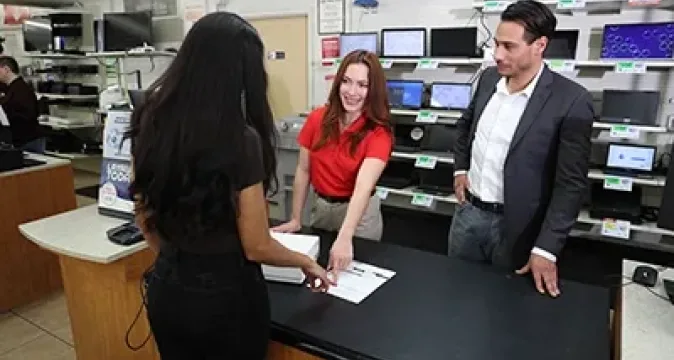
When you take your jewelry to a pawn shop, the pawnbroker performs a jewelry evaluation. Pawn shops determine the value of jewelry based on factors such as the condition, market demand, and rarity of the item. Unlike an appraisal, this focuses on the market value—what your piece could sell for right now. Evaluations consider the style’s popularity, demand for the materials, and the item’s resale potential. The pawnbroker’s knowledge of the second-hand market is key in determining the offer.
Evaluations are practical and reflect the current marketplace, making them important for anyone looking to sell jewelry quickly and understand its second-hand worth.
Preparing Your Jewelry for Appraisal or Evaluation
To get the best value from an appraisal or evaluation, proper preparation is key.
- Clean your jewelry gently or consult a professional to avoid damage.
- Gather any receipts, certificates, or previous appraisals, which provide helpful information.
- Understand the market and your jewelry’s potential value by researching similar items.
Consulting certified jewelry appraisers is crucial for accurate appraisals, as they have the expertise to evaluate gemstones and conduct comparative market analyses for various purposes such as insurance, estate, resale, and donation appraisals.
Consider getting multiple opinions to form a clear view of your piece’s worth. Being informed and prepared helps you maximize the value and negotiate confidently.
Benefits of Jewelry Appraisals
Jewelry appraisals offer several significant benefits:
- Insurance Coverage: A jewelry appraisal provides a professional assessment of the value of a piece of jewelry, which is essential for determining insurance coverage. This ensures that you can fully replace your jewelry in case of loss or damage.
- Fair Market Value: An appraisal helps establish the fair market value of a jewelry piece, which is useful when buying or selling jewelry. Knowing the fair market value ensures you get a fair deal.
- Expert Opinion: A qualified appraiser provides an expert opinion on the value of your jewelry, which can be invaluable in disputes or negotiations. Their expertise adds credibility to the valuation.
- Peace of Mind: Having a professional appraisal gives you peace of mind, knowing that the value of your jewelry has been accurately assessed. This is particularly important for valuable or sentimental pieces.
- Quick Cash: If you need quick cash, pawn shops and other buyers may offer immediate payment for your jewelry. A jewelry appraisal helps ensure that you receive a fair price, protecting you from undervaluation.
By understanding the benefits and processes involved in jewelry appraisals, you can make informed decisions about your precious items, whether for insurance, selling, or personal knowledge.
Choosing Between Appraisal and Evaluation
Now you know the differences between jewelry appraisals and jewelry evaluations and can determine which is best for you based on your end goal.
For insurance, get an appraisal from a certified professional to ensure full replacement coverage. Jewelry stores play a crucial role in determining the value of jewelry for insurance and market purposes. If you want to sell or pawn your jewelry, an evaluation gives a realistic idea of what you can expect. Or if looking for the best place to sell gold near you for quick cash, search “pawn shops near me” to find the closest USA Pawn & Jewelry.
Jewelry stores often have retail prices that exceed appraised values due to various business costs, highlighting the disparity between what consumers pay in-store versus potential resale values. Remember, neither an appraisal nor an evaluation gives an absolute value—they serve different purposes. Market value is determined by what a willing buyer is prepared to pay, reflecting the actual worth in an open market context. By understanding these differences and choosing the right service, you can value your jewelry confidently and accurately. Visit today to get a free evaluation of your jewelry piece.
Find A USA Pawn & Jewelry Pawn Shop
Visit our website for more information about pawning, buying, and selling or to find a USA Pawn & Jewelry store location near you.
1Item evaluation and amount of cash offered on purchases or pawn transactions is at the sole discretion of the Pawnbroker. Conditions apply. Pawn transactions are a loan based on the value of an item and is subject to terms and conditions, including fees, which may vary by state. Please see a Team Member for additional information. Items pictured are examples only.
2All items are pre-owned; prices and product availability vary. Items pictured are examples only. Exclusions apply.